



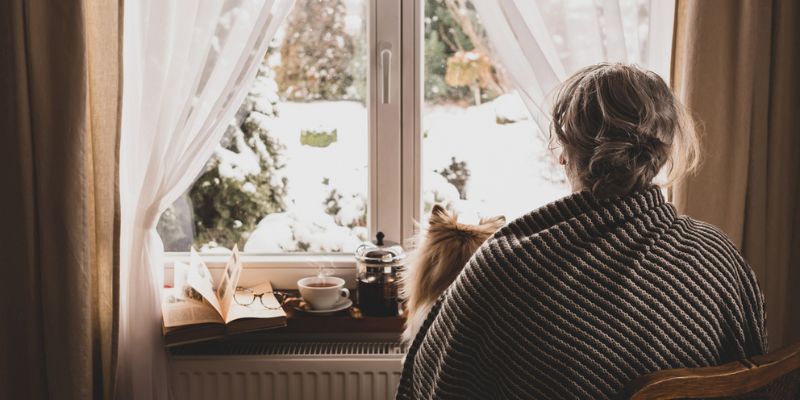
When temperatures drop as they are in Georgia, start with a check-in. Is your loved one’s home warm enough? Are the steps slippery? Who can help if the power goes out? Winter weather carries a host of potential risks for older people that can affect their health, safety and overall well-being.
Use this winter safety checklist for seniors to walk through those questions together and keep them safe during colder months, from heating the home safely to planning for a winter storm.
Preventing Falls
Even a quick trip to the mailbox can be risky for older adults when icy roads or wet pavement makes the path slippery. Look at the routes your loved one uses most, from the front steps to the driveway.
- Arrange help with outdoor chores, such as yard work, dog walking or even bringing in the mail so that the senior doesn’t slip on pavement.
- Winterize footwear and assistive devices. Invest in sturdy footwear with non-skid soles or add ice/snow traction covers to shoes. If your loved one uses a cane or walker, you can add ice grip tips.
- Clear steps, walkways and driveways of snow and ice, and make sure entrances are well lit. It’s a good idea to add traction to walkways and driveways, whether you have commercially available ice melt or simply cat litter.
- Offer to walk with your loved one when conditions are safe. If the route is icy, postpone the outing or take care of the errand for them.
Supporting Immune Health
Seasonal illnesses like influenza, the common cold, pneumonia and other respiratory illnesses can flare up during winter months and disrupt daily routines. In addition, cold, damp weather can worsen chronic conditions like arthritis and is also harder on the heart.
Consider ways to reduce their exposure and keep up with the habits and appointments that support their health:
- Help your loved one keep up with regular care. Check that they have their medications and a way to get to appointments, and ask their care team what symptoms should prompt a call for medical help.
- Make it easier to stay active indoors. Encourage movement your loved one can do comfortably, such as short walks around the house or gentle stretches. Outdoor activities in cold temperatures can cause the heart to pump a little too hard for people with existing heart conditions.
- Take everyday steps to reduce the spread of respiratory illnesses. Wash hands often, reschedule visits when someone is sick and ask your loved one’s clinician which vaccines are recommended.
Staying Warm
Hypothermia can happen when body temperature drops dangerously low, even indoors. As people age, some health conditions and medications make it harder to stay warm or even recognize when the body is becoming too cold. In addition, a person living with dementia may need help choosing appropriate clothes for the cold air.
Check the temperature at the house and help your loved one dress for the winter conditions:
- Set the thermostat to at least 68°F and check the rooms your loved one spends the most time in. Seal drafts around doors and windows to keep cold air out.
- Keep a charged mobile phone handy for them and arrange check-ins during cold spells, especially if your loved one lives alone.
- Wear loose, warm layers indoors and out. Add a hat, gloves and weather-resistant outerwear when going outside.
- Make sure they change out of wet clothes promptly. On especially cold, windy or wet days, move activities indoors when possible.
- Know the warning signs. Shivering, confusion, slurred speech and unusual drowsiness can signal hypothermia. Call 911 right away if you suspect it.
Avoiding Carbon Monoxide Poisoning
Carbon monoxide (CO) is a gas you can’t see or smell. It’s produced anytime a fossil fuel is burned and can build up indoors when a furnace, fireplace or generator is used improperly or isn’t vented safely. Even stoves, lanterns, grills and water heaters produce CO, and warming up a car inside a closed garage can cause a dangerous concentration of CO in indoor air.
Because homeowners increase their use of these items during the cold weather, the risk of carbon monoxide poisoning increases in the winter. The following can help reduce the CO risk and fire hazards:
- Test CO and smoke detectors monthly. Make sure there’s a working CO alarm near each sleeping area and follow the manufacturer’s instructions for battery and alarm replacement. Often, the guidance is to replace batteries once a year and the detectors themselves every seven-to-10 years.
- Consider purchasing a digital CO detector. Digital detectors can measure real-time CO concentrations at low levels before they become an emergency.
- Give portable electric space heaters room. Keep them at least three feet from anything that could burn, including bedding, curtains and furniture. Plug them directly into a wall outlet and switch them off when leaving the room or going to bed.
- Make sure that chimneys, furnaces and heaters are properly vented and in good condition. Have a qualified technician service the furance and other fuel-burning appliances each year, and don’t forget to have chimneys checked and cleaned as needed.
- Exercise caution when using fuel-burning equipment indoors. Never use a gas oven to heat the home or run a car in an attached garage, even with the garage door open. During power outages, run generators outdoors, more than 20 feet from window, doors and vents.
Planning Ahead for Winter Storms and Power Outages
For peace of mind, make an emergency plan together before a storm is in the forecast. Write it down and share it with family members, neighbors or caregivers who can help.
- Keep emergency contacts handy. Write down phone numbers for family, a nearby neighbor, caregivers and medical providers. Keep a paper copy by the phone and decide who will check in if the power goes out.
- Choose where to meet and how to get there. Pick a meeting place outside the home in case of fire and a backup place to stay, such as a nearby relative’s home, if the heat goes out. Arrange a ride ahead of time if your loved one needs one.
- Pack an emergency supply kit. Set aside water, non-perishable food, a flashlight, batteries, warm blankets, a first-aid kit, a phone charger and a current medication list. Make a backup plan for refrigerated medications or powered medical equipment, if needed. (Get more preparedness tips for seniors here and check out Ready.gov’s emergency supply kit.)
Combating Seasonal Depression in the Colder Months
Bad weather and shorter days can make it harder to get out and engage in favorite activities; plus, the holidays can bring up feelings of grief over lost loved ones. To help, ask what seniors would look forward to and help make it happen:
- Get out and about. Offer a ride to a social event or help arrange a visit with friends, including phone calls or video chats when getting out is difficult.
- Help your loved one stay connected with activities they enjoy, such as volunteering at local schools, places of worship and charitable organizations if they are able.
- If low mood persists or interferes with daily life, encourage your loved one to talk with a mental health professional to openly express and discuss their feelings.
Winter Support for Your Loved One
When it’s cold out, it’s time to take special care of senior loved ones. A quick check-in can show where a little extra help would make winter easier. Kadan Homecare’s companion care and personal care services can help with errands, transportation and daily routines. Regular visits also give your loved one someone to spend time with and can give your family peace of mind. They can help with transportation, errands and even just friendly interactions that lift a loved one’s spirits.
For more information about Kadan’s award-winning home care services for seniors in Metro Atlanta, please call 770-396-8997 or email info@kadan.org.